
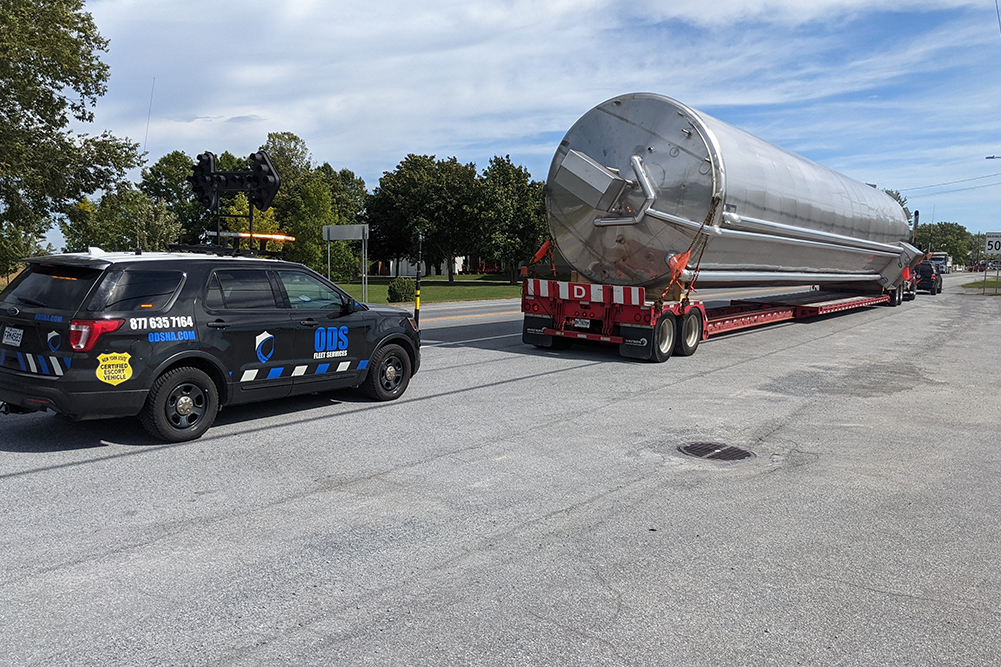
In the vast expanse of North America, winter weather can pose significant challenges for pilot car drivers tasked with ensuring the safety of clients and crew members. As a pilot car driver, navigating through snow, ice, and freezing temperatures requires careful planning and execution to safely guide oversized loads to their destinations. Here are some essential winter driving tips to help pilot car drivers maintain safety on the roads in the United States and Canada.
1. Stay Informed and Plan Ahead
- Check the weather forecast regularly to stay informed about upcoming winter conditions.
- Plan your route in advance and identify potential hazards such as icy roads, snow-covered areas, and low visibility.
- Keep emergency supplies in your vehicle, including blankets, food, water, a first aid kit, and a flashlight.
2. Prepare Your Vehicle
- Ensure your pilot car is equipped with the necessary safety features, including reflective signage, flashing lights, and a two-way radio for communication.
- Check your vehicle’s tires, brakes, lights, and fluids to ensure they are in optimal working condition.
- Consider installing snow tires or chains for better traction on slippery roads.
3. Drive Defensively
- Increase your following distance to allow for more reaction time in case of sudden stops or slippery conditions.
- Reduce your speed and avoid sudden movements such as braking or accelerating quickly.
- Be mindful of other drivers on the road and adjust your driving behavior accordingly.
4. Monitor Road Conditions
- Keep an eye out for signs of black ice, which is difficult to see but extremely slippery.
- Watch for snowplows and sanding trucks, and give them plenty of space to do their job.
- Use caution when driving over bridges, as they tend to freeze before other road surfaces.
5. Communicate Effectively
- Maintain regular communication with the driver of the oversized load to ensure a coordinated approach to navigating winter road conditions.
- Use hand signals, two-way radios, or cell phones to stay in contact with the lead driver.
- Clearly communicate any hazards or obstacles ahead to help the driver make informed decisions.
6. Take Breaks and Stay Alert
- Schedule regular breaks to rest and refresh yourself during long drives in winter conditions.
- Stay alert and avoid distractions while driving, such as using your phone or adjusting the radio.
- If you feel fatigued or unsafe to drive, pull over and wait for conditions to improve.
By following these winter driving tips, pilot car drivers in North America can help ensure the safety of their clients and crew members while navigating challenging winter road conditions. Remember that safety should always be the top priority, and taking precautions and staying vigilant can help prevent accidents and keep everyone safe on the road.
Final Thoughts
Winter driving can be daunting, especially for pilot car drivers tasked with guiding oversized loads through challenging conditions. By staying informed, preparing your vehicle, driving defensively, monitoring road conditions, communicating effectively, and staying alert, pilot car drivers can navigate winter roads safely and ensure the safety of their clients and crew members. Remember, safety always comes first on the road, especially during the unpredictable winter months in North America.
