
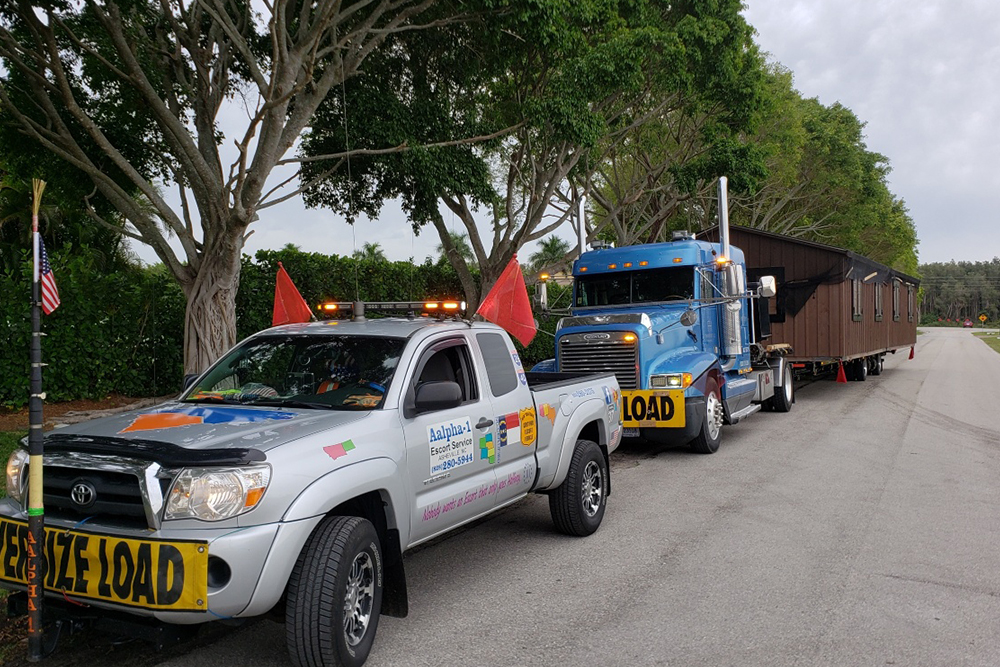
Driving a pilot car during the winter months in North America can present unique challenges. Snow, ice, and cold temperatures can all impact the safety of your journey. In this article, we will discuss essential equipment and maintenance tips to help pilot car drivers navigate safely through the winter season in the United States and Canada.
Essential Equipment for Winter Safety
1. Snow Tires
Investing in high-quality snow tires is crucial for safe winter driving. Snow tires provide better traction on snowy and icy roads, reducing the risk of accidents. Make sure to check the tire pressure regularly and replace tires that are worn out.
2. Chains or Traction Mats
In some regions where snowfall is heavy, it may be necessary to carry tire chains or traction mats. These tools can provide additional traction in extreme winter conditions, helping you navigate through deep snow or icy roads.
3. Emergency Kit
Always have an emergency kit in your pilot car, including items such as blankets, extra clothing, non-perishable food, water, a flashlight, a first aid kit, and a shovel. In case of a breakdown or getting stranded, these supplies can make a significant difference in your safety and well-being.
4. Heater and Defroster
Ensure that your pilot car’s heater and defroster are in good working condition. Having a functioning heater will keep you warm during cold weather, while a defroster will help maintain visibility by clearing frost and condensation from the windows.
5. Communication Devices
Carry a fully charged cell phone and a charger in your pilot car at all times. In case of emergencies or unexpected situations, being able to communicate with others can be vital for your safety. Consider investing in a two-way radio for better communication with the convoy and other vehicles on the road.
Maintenance Tips for Winter Preparedness
1. Battery Check
Cold weather can put a strain on your pilot car’s battery. Make sure to have your battery tested to ensure it is in good condition. Consider keeping jumper cables in your emergency kit in case you need to jump-start your car or help another driver.
2. Fluid Levels
Check your pilot car’s fluid levels regularly, including oil, coolant, brake fluid, and windshield washer fluid. Top them off as needed to prevent issues that could arise from freezing temperatures. Consider using winter-grade windshield washer fluid to prevent it from freezing.
3. Inspect Lights
Visibility is crucial during winter driving, so make sure all your pilot car’s lights are working correctly. Check headlights, taillights, brake lights, and turn signals to ensure they are all functioning properly. Clean off any snow or ice that may accumulate on the lights for maximum visibility.
4. Wiper Blades and Antifreeze
Replace worn-out wiper blades and ensure that your pilot car’s antifreeze is at the appropriate level and concentration. Good visibility is essential in winter conditions, so having efficient wiper blades and antifreeze will help you maintain clear visibility while driving.
5. Regular Maintenance Checks
Schedule regular maintenance checks for your pilot car to address any issues before they become a safety hazard. Make sure to inspect the brakes, tires, steering, and suspension components to ensure they are in optimal condition for winter driving conditions.
By following these essential equipment and maintenance tips, pilot car drivers can enhance their safety and preparedness during the winter season in North America. Stay vigilant, plan ahead, and prioritize safety to ensure a smooth and secure journey for you and your convoy.
Final Thoughts
Winter driving presents unique challenges for pilot car drivers, but with the right equipment and maintenance practices, you can navigate through the season safely. Prioritize safety, stay prepared, and always be aware of changing road conditions to ensure a successful journey in the United States and Canada. Stay safe on the roads!
