
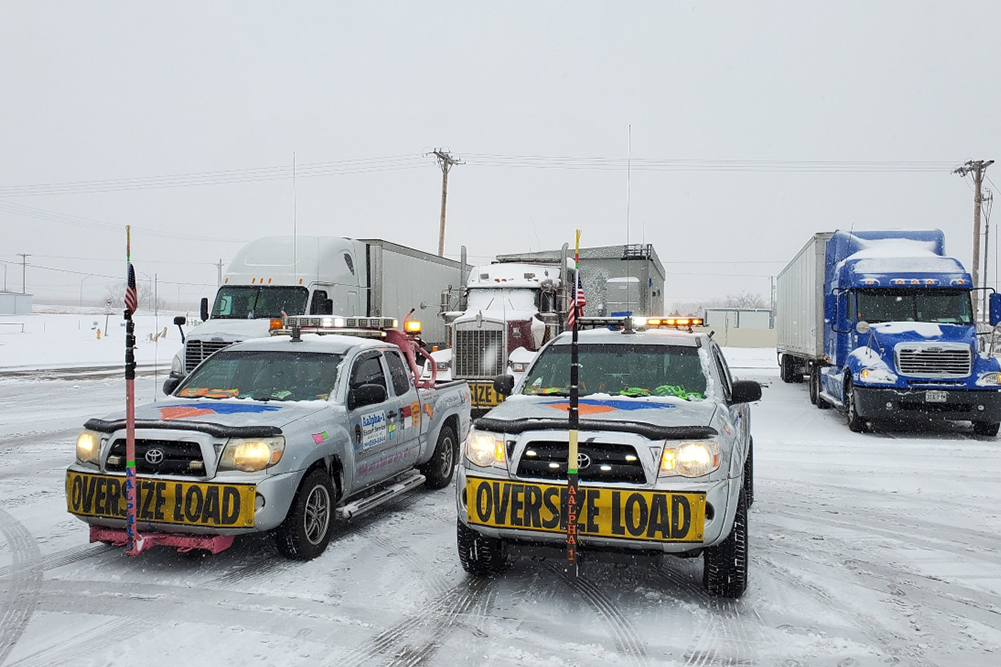
Winter weather conditions can present significant challenges for commercial drivers and pilot cars in the United States and Canada. Snow, ice, and freezing temperatures can increase the risk of collisions and other roadway incidents. To ensure the safety of all road users during the winter months, it is essential for drivers to be prepared and aware of best practices for navigating treacherous conditions.
Tips for Commercial Drivers:
1. Stay Informed:
- Monitor weather forecasts and road conditions before starting your journey.
- Be aware of any winter weather advisories or warnings in your area.
2. Slow Down:
- Reduce your speed when driving in winter weather conditions.
- Allow for additional travel time to account for slower speeds and potential delays.
3. Maintain Safe Following Distance:
- Increase the following distance between your vehicle and the one in front of you.
- This will give you more time to react in case of sudden stops or slippery road conditions.
4. Use Proper Equipment:
- Ensure your vehicle is equipped with snow tires or chains for added traction.
- Check that your lights, brakes, and windshield wipers are in good working condition.
5. Avoid Distracted Driving:
- Focus on the road and avoid distractions such as using your phone or adjusting the radio.
- Stay alert and be prepared for unexpected hazards.
6. Be Prepared for Emergencies:
- Carry an emergency kit in your vehicle with essentials such as blankets, food, water, and a flashlight.
- Be familiar with emergency procedures in case you get stranded in severe weather.
Tips for Pilot Cars:
1. Communicate Effectively:
- Maintain clear communication with the commercial driver you are escorting.
- Use radios or other communication devices to stay in contact throughout the journey.
2. Follow at a Safe Distance:
- Keep a safe distance behind the vehicle you are escorting.
- This will allow for better visibility and reaction time in case of sudden stops.
3. Watch for Hazards:
- Be on the lookout for potential hazards on the roadway, such as icy patches or debris.
- Alert the commercial driver to any dangers ahead.
4. Adhere to Speed Limits:
- Obey posted speed limits and adjust your speed according to road conditions.
- Avoid sudden braking or acceleration, which can lead to loss of control.
5. Stay Visible:
- Ensure your pilot car is equipped with high-visibility lights and markings.
- Make yourself visible to other motorists and provide a clear escort for the commercial vehicle.
6. Stay Current on Regulations:
- Stay informed about any special regulations or restrictions for pilot cars in your area.
- Ensure compliance with all relevant laws and guidelines.
By following these tips, commercial drivers and pilot cars can help prevent collisions and ensure safe travels during the winter season in the United States and Canada.
Final Thoughts
Winter collision prevention is a top priority for commercial drivers and pilot cars operating in challenging weather conditions. By staying informed, driving cautiously, and being prepared for emergencies, drivers can mitigate the risks associated with winter weather and help ensure the safety of all road users. Remember, safety always comes first, especially when navigating icy and snow-covered roads.
