
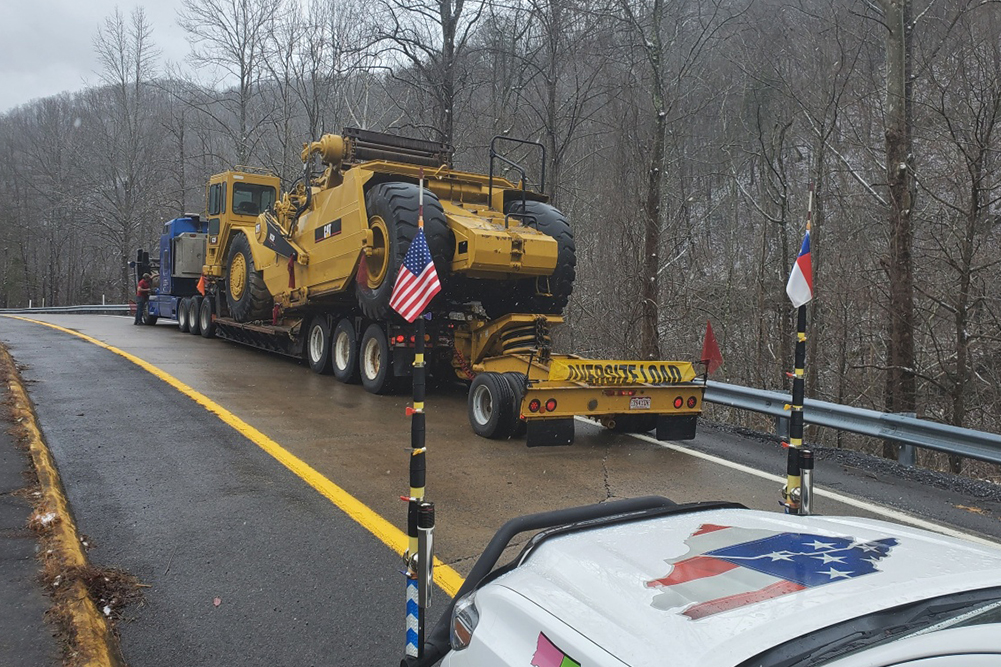
Winter can be a challenging time for pilot car drivers in the United States and Canada. Snow, ice, and cold temperatures can make road conditions hazardous, increasing the risk of accidents and breakdowns. To ensure the safety of both pilot car drivers and the vehicles they are escorting, it is essential to pay special attention to maintenance during the winter months. In this article, we will discuss some important winter maintenance tips for pilot cars, focusing on batteries, tires, and safety equipment.
1. Battery Maintenance
During the winter, cold temperatures can reduce a battery’s cranking power, making it harder to start the vehicle. To prevent battery-related issues, follow these maintenance tips:
- Check the battery: Make sure the battery terminals are clean and free of corrosion. Tighten any loose connections and look for any signs of damage.
- Test the battery: If your battery is more than three years old, consider having it tested to ensure it can hold a charge in cold weather.
- Keep the battery charged: Cold weather can drain a battery quickly, so make sure to drive the vehicle regularly to keep the battery charged.
2. Tire Maintenance
Proper tire maintenance is crucial for safe winter driving. Here are some tips to keep your tires in top condition:
- Check tire pressure: Cold weather can cause tire pressure to drop, leading to decreased traction and increased fuel consumption. Check your tire pressure regularly and inflate them to the recommended levels.
- Inspect the tread: Worn-out tires can be dangerous on slippery roads. Make sure your tires have adequate tread depth to maintain traction on snow and ice.
- Consider winter tires: If you frequently drive in snowy or icy conditions, investing in a set of winter tires can improve traction and handling.
3. Safety Equipment
In addition to vehicle maintenance, pilot car drivers should also ensure their safety equipment is in good working condition. Here are some essential safety items to check:
- Emergency kit: Make sure your vehicle is equipped with an emergency kit containing items such as a flashlight, first aid supplies, blankets, and non-perishable food.
- Communication devices: Check that your two-way radio or cell phone is working correctly so you can stay in touch with the convoy and emergency services if needed.
- Visibility equipment: Ensure your vehicle has high-visibility markings, flashing lights, and reflective signs to alert other drivers to your presence on the road.
By following these winter maintenance tips for pilot cars, drivers can help ensure a safe and successful escort operation during the challenging winter months in the US and Canada.
Final Thoughts
Winter maintenance is crucial for pilot cars operating in the US and Canada, where cold temperatures and hazardous road conditions can pose significant challenges. By prioritizing battery, tire, and safety equipment maintenance, pilot car drivers can enhance their safety and the safety of the vehicles they escort. Taking proactive steps to prepare for winter driving conditions can make a difference in ensuring a smooth and incident-free journey for everyone involved.
