
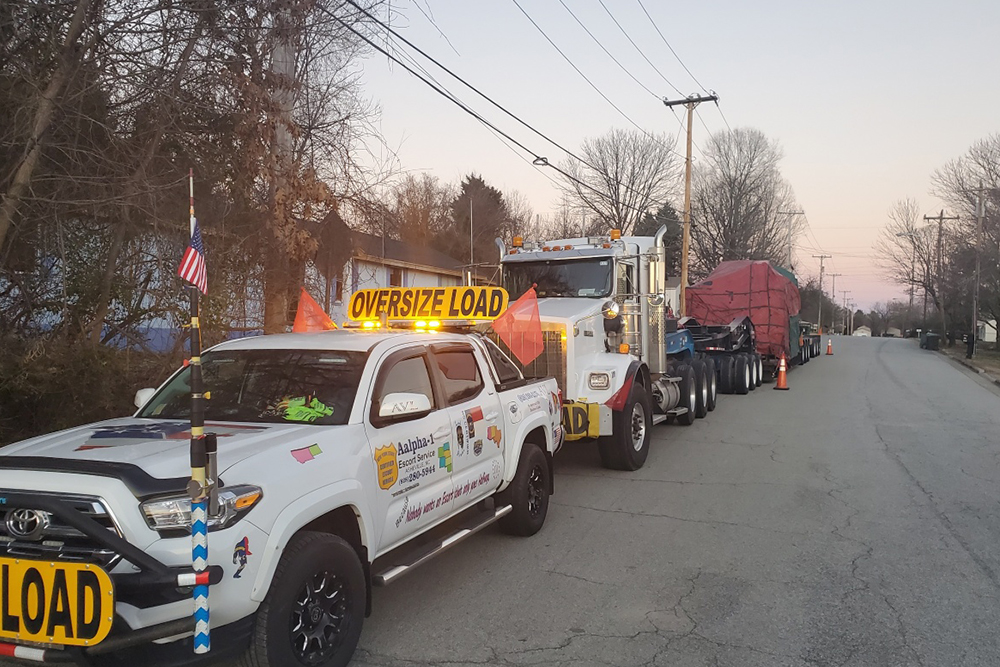
Operating as a pilot car operator during the winter months in the United States and Canada comes with its own set of challenges and safety considerations. Ensuring visibility during adverse weather conditions is crucial for the safety of both the pilot car operator and the oversized load they are escorting. Here are some key visibility requirements and best practices for pilot car operators during winter:
Use of High-Visibility Clothing
- Pilot car operators should always wear high-visibility clothing that meets ANSI/ISEA standards to ensure they are easily seen by other motorists, especially during snowy or foggy conditions.
- Fluorescent colors like orange, yellow, or lime green are highly recommended for maximum visibility during winter weather.
Proper Lighting Equipment
- Ensure that the pilot car is equipped with the necessary lighting equipment, including amber rotating beacons, strobe lights, and flashing LED lights.
- Lights should be positioned strategically to enhance visibility from all angles, especially in low-light conditions or inclement weather.
Clear Signage
- Display clear and visible signage on the pilot car indicating “Oversize Load” or “Wide Load” to alert other drivers on the road.
- Make sure that the signage is reflective and easily readable in various weather conditions, including snow, rain, or fog.
Communication Tools
- Pilot car operators should have reliable communication tools, such as two-way radios or cell phones, to stay in contact with the truck driver hauling the oversized load.
- Effective communication is essential for coordinating movements, alerting about road conditions, and ensuring safety during the escort.
Weather Monitoring
- Stay informed about the weather conditions along the planned route and be prepared for any sudden changes in visibility due to snow, ice, or fog.
- Adjust the speed and following distance accordingly to maintain a safe distance from the oversize load and other vehicles on the road.
Regular Maintenance
- Regularly inspect and maintain all safety equipment on the pilot car, including lights, signage, and communication devices, to ensure they are in proper working condition.
- Replace any damaged or worn-out equipment promptly to maintain optimal visibility during winter operations.
Adherence to Regulations
- Familiarize yourself with the specific regulations and requirements for pilot car operations in the states or provinces where you will be escorting oversize loads.
- Ensure compliance with all legal requirements regarding visibility, signage, lighting, and equipment for pilot car operators during winter months.
Maintaining high visibility as a pilot car operator during winter in the United States and Canada is crucial for ensuring the safety of all road users. By following the visibility requirements, utilizing proper equipment, and staying informed about weather conditions, pilot car operators can safely navigate winter roads while escorting oversize loads.
